Understanding Flexible Packaging Materials: PET, PE, BOPP and Aluminum Foil
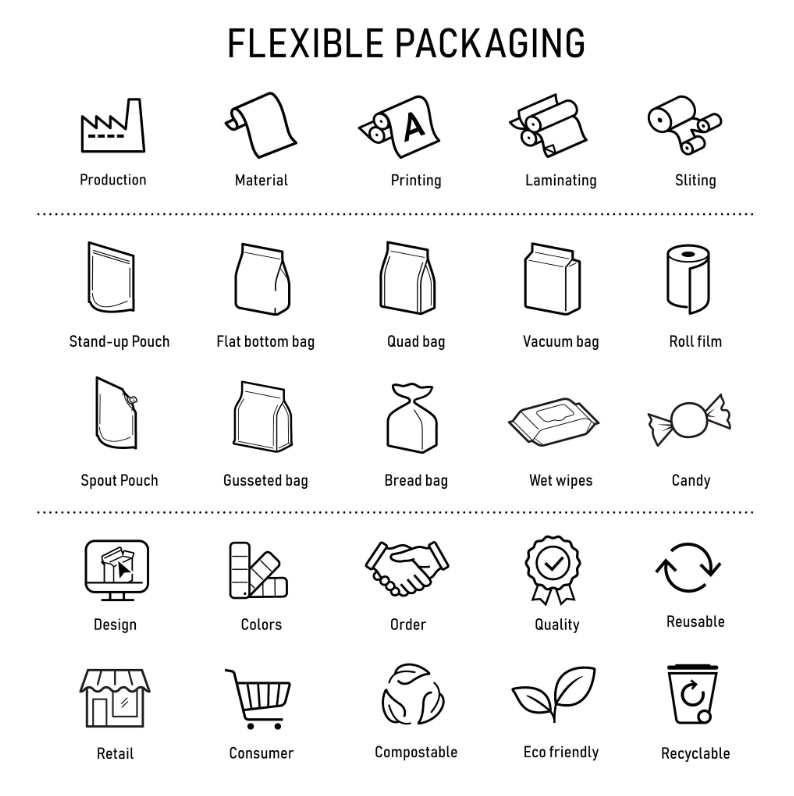
Flexible packaging has become one of the most widely used packaging solutions in the food, beverage, pet food, cosmetic and daily chemical industries.
Compared with traditional rigid packaging, flexible packaging offers advantages such as lightweight design, lower transportation costs, excellent barrier protection and customizable printing options.
However, choosing the right packaging material is essential because different films provide different levels of strength, flexibility, moisture resistance and oxygen barrier performance.
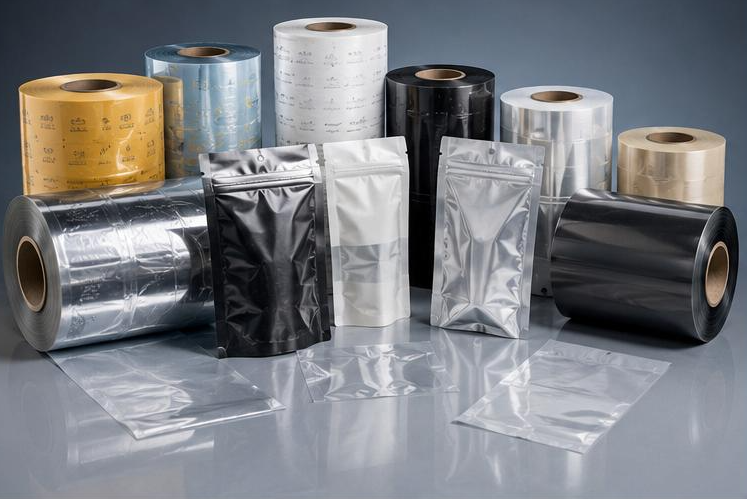
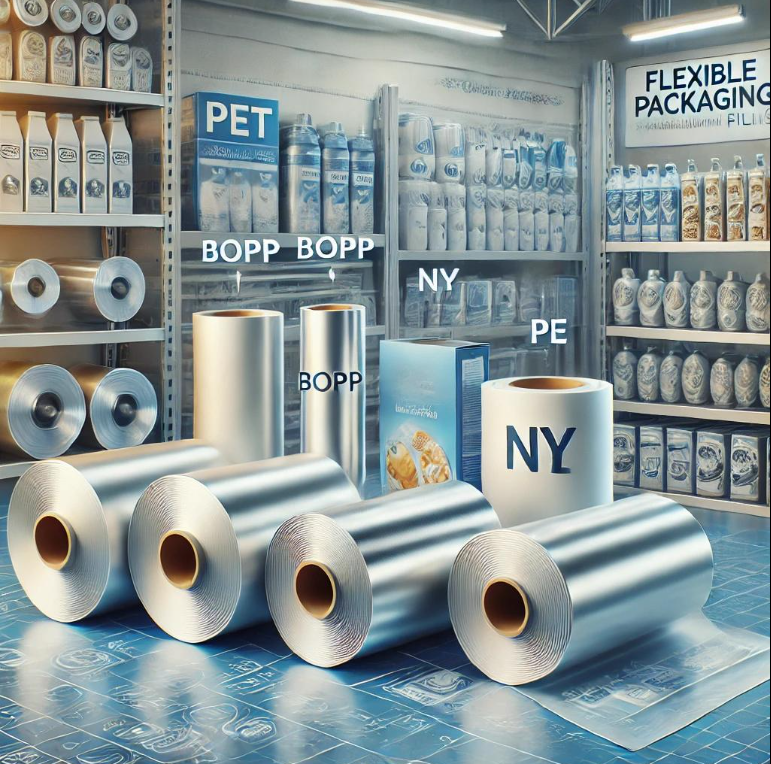
The most common materials used in flexible packaging include PET, PE, BOPP and aluminum foil.
This guide explains the characteristics, applications and differences between these materials to help brands choose the right packaging solution.
What is PET Packaging Film?
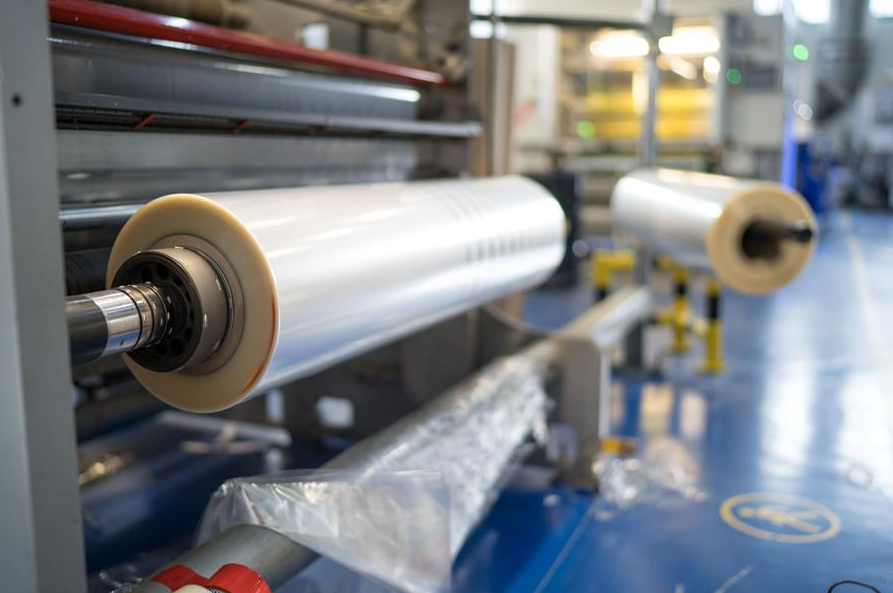
PET, also known as polyethylene terephthalate, is a high-performance polyester film widely used in flexible packaging structures.
It is commonly used as the outer layer in laminated packaging because of its excellent mechanical strength and printing performance.
What is PE Packaging Film?
PE is one of the most commonly used plastic films in flexible packaging.
It is known for excellent flexibility, sealing performance and moisture resistance.
Advantages of PET Film
Excellent Printing Quality
PET provides a smooth surface that allows high-quality gravure printing, making it ideal for premium packaging designs.
High Mechanical Strength
PET film has excellent tensile strength and dimensional stability, helping packaging maintain its shape during transportation.
Good Heat Resistance
PET can withstand higher temperatures compared with many other plastic films.
Advantages of PE Film
Excellent Heat Sealing
PE provides reliable sealing performance, making it suitable for automatic packaging machines.
High Flexibility
PE film is soft and flexible, suitable for products requiring easy squeezing or handling.
Good Moisture Barrier
It helps protect products from humidity and external moisture.
Common Applications
PET film is widely used for:
- Coffee packaging
- Snack bags
- Pet food packaging
- Powder packaging
- Stand-up pouches
- Retort packaging
Typical structure: PET / PE or PET / Aluminum Foil / PE
Common Applications
PE film is often used for:
- Food packaging bags
- Frozen food packaging
- Liquid packaging
- Detergent packaging
- Inner sealing layers
Common structures: PET / PE ,BOPP / PE
BOPP Film (Biaxially Oriented Polypropylene)
What is BOPP Film?
BOPP is a polypropylene film stretched in two directions during production, improving its strength and clarity.
It is widely used in snack, candy and bakery packaging.
Advantages of BOPP Film
Excellent Transparency
BOPP provides a clear appearance, allowing customers to see the product inside.
High Printability
It offers excellent surface quality for attractive packaging designs.
Good Moisture Resistance
BOPP helps protect products from humidity.
Common Applications
BOPP packaging is commonly found in:
- Chips packaging
- Candy bags
- Biscuit packaging
- Bread packaging
- Snack roll film
Typical structure: BOPP / PE or BOPP / CPP
What is Aluminum Foil Packaging?
Aluminum foil is a thin metal layer commonly laminated with plastic films to create high-barrier packaging structures.
It is widely used when products require strong protection from oxygen, moisture and light.
Advantages of Aluminum Foil
Excellent Barrier Performance
Aluminum foil provides one of the highest barriers against:
- Oxygen
- Moisture
- Light
- Aroma loss
Longer Shelf Life
It helps maintain product freshness and quality for extended periods.
Common Applications
Aluminum foil packaging is widely used for:
- Coffee bags
- Milk powder bags
- Protein powder packaging
- Pharmaceutical packaging
- Premium food packaging
Common structure: PET / Aluminum Foil / PE
PET vs PE vs BOPP vs Aluminum Foil Comparison
| Material | Main Advantage | Common Use |
|---|---|---|
| PET | Strength and printing quality | Coffee, snacks, premium packaging |
| PE | Flexibility and sealing | Inner layer, frozen food |
| BOPP | Transparency and appearance | Chips, candy, bakery |
| Aluminum Foil | Maximum barrier protection | Coffee, milk powder, high-end products |
How to Choose the Right Flexible Packaging Material?
When selecting packaging materials, brands should consider:
1. Product Characteristics
Different products require different protection levels.
For example:
- Coffee requires oxygen and aroma protection.
- Frozen food requires moisture resistance.
- Snacks require freshness and crunch protection.
2. Packaging Machine Requirements
The packaging structure should match the filling machine and sealing requirements.
Roll film customers especially need to consider:
- Film thickness
- Sealing temperature
- Machine compatibility
- Printing registration
3. Shelf Life Requirements
Products with longer shelf life usually require stronger barrier structures, such as aluminum foil laminated films.
Flexible Packaging Solutions From YU PACK
As a professional flexible packaging manufacturer in China, YU PACK provides customized packaging bags and roll film solutions for food, coffee, pet food, cosmetics and daily chemical industries.
Our packaging solutions include:
- Custom printed roll film
- Stand up pouches
- Zipper bags
- Aluminum foil packaging
- Food packaging bags
- Pet food packaging
With customized material structures, printing options and sizes, we help brands create packaging solutions that meet different product requirements.
Conclusion
Understanding flexible packaging materials is important for selecting the right packaging solution.
PET, PE, BOPP and aluminum foil each provide unique advantages. The best material combination depends on product requirements, packaging equipment and shelf-life expectations.
Working with an experienced flexible packaging manufacturer can help brands choose the most suitable structure and achieve better packaging performance.