
The Challenge of Preserving Sensitive Powders
Single-serve stick packs have revolutionized how consumers consume everyday powders—from morning instant coffee and formula milk powder to dietary supplements and wellness drink mixes. However, packaging fine powders presents unique technical challenges. Powders are highly susceptible to ambient humidity, oxygen degradation, and clumping.
Understanding the material science behind high-barrier roll film (Roll Stock) reveals how automated packaging preserves freshness and extends shelf life.
Moisture & Oxygen Protection Across Powder Categories
Different powdered products require specific barrier properties depending on their ingredients:
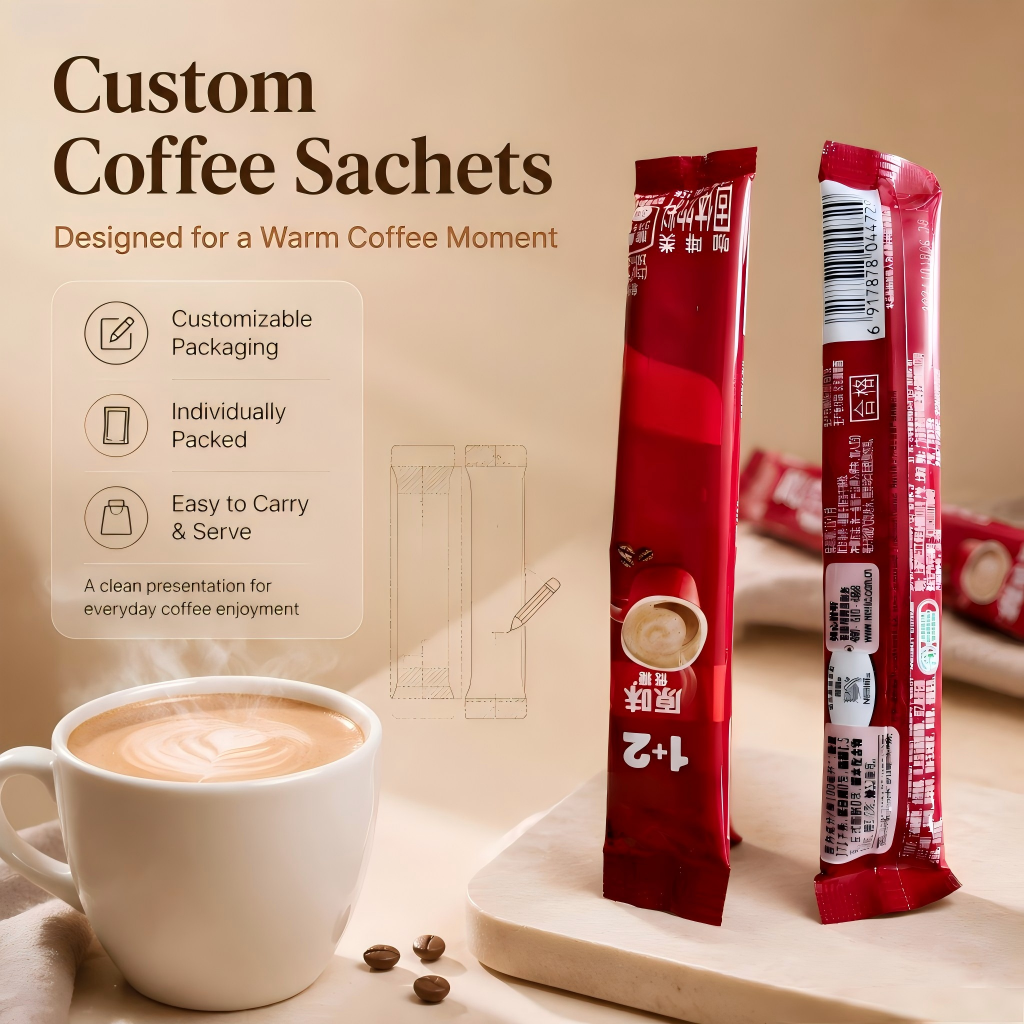
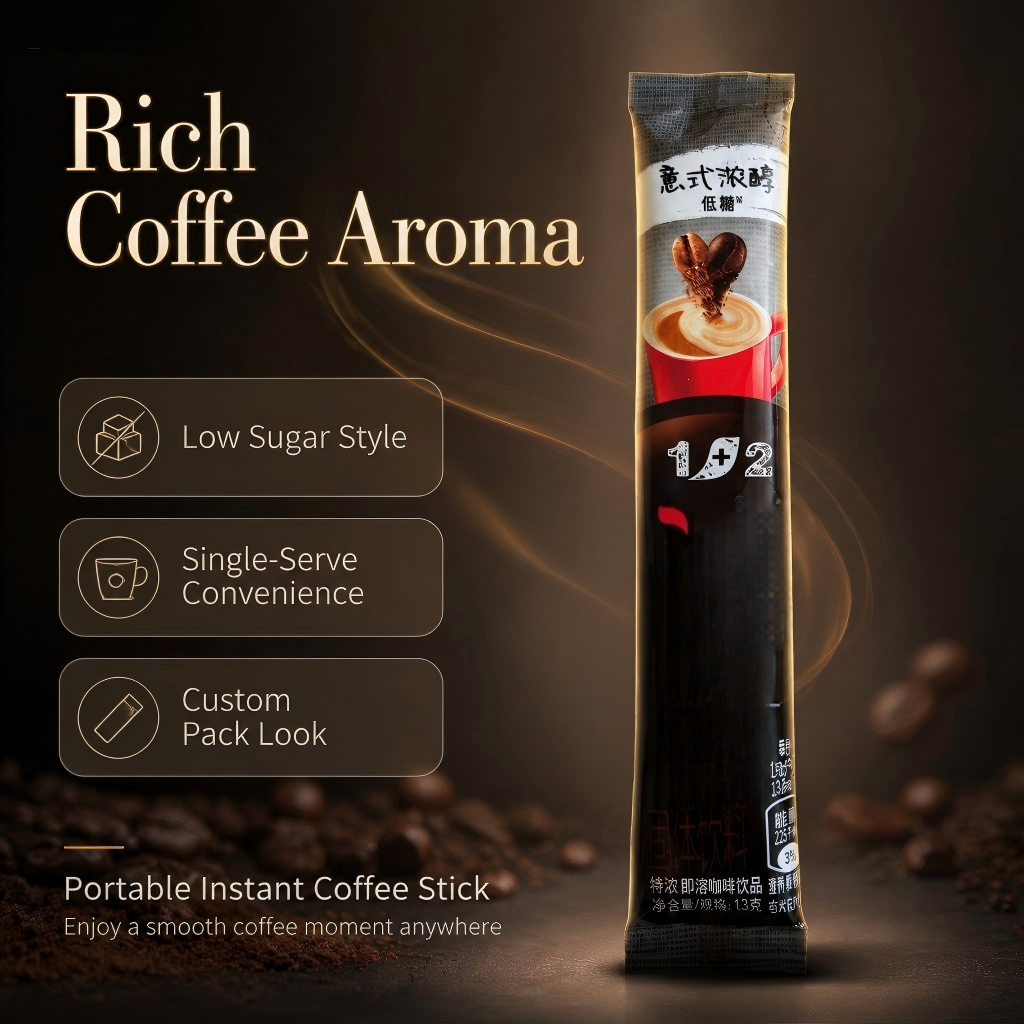
Coffee Powder: Highly sensitive to oxidation and light, which degrade delicate aromatics. Multi-layer roll films with aluminum or metallized PET (VMPET) layers ensure 100% light and oxygen barrier.
Milk Powder & Dairy Formulations: Rich in fats and proteins, milk powders require ultra-low Moisture Vapor Transmission Rates (MVTR) to prevent caking and rancidity.
Nutritional & Dietary Supplement Powders: Probiotics, vitamins, and protein powders degrade quickly when exposed to humidity. Advanced barrier coatings stabilize active ingredients throughout their shelf life.
Instant Drink Mixes & Effervescent Granules: Fast-dissolving drink powders absorb ambient moisture rapidly. High-precision PE/CPP seal layers form air-tight, leak-proof seams on VFFS (Vertical Form Fill Seal) packaging lines.
The Physics of High-Speed Stick Pack Sealing
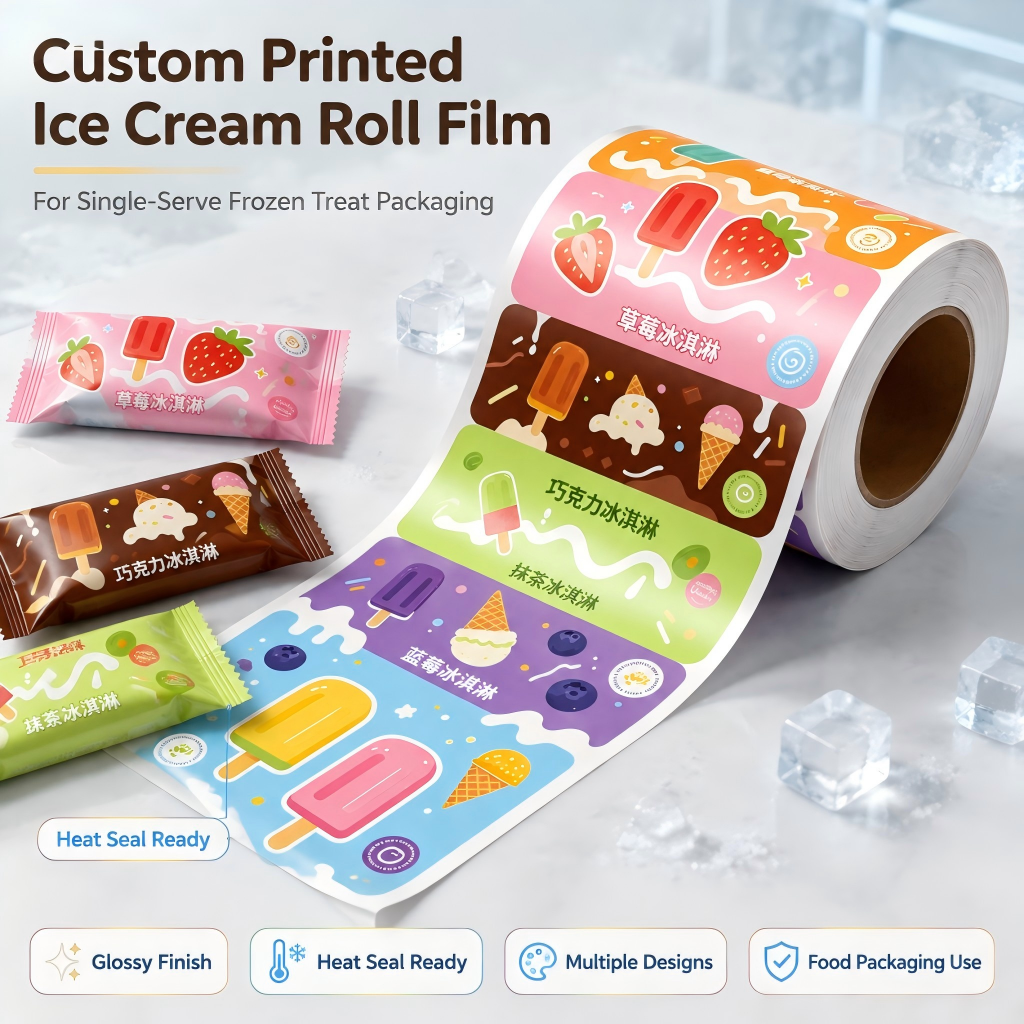
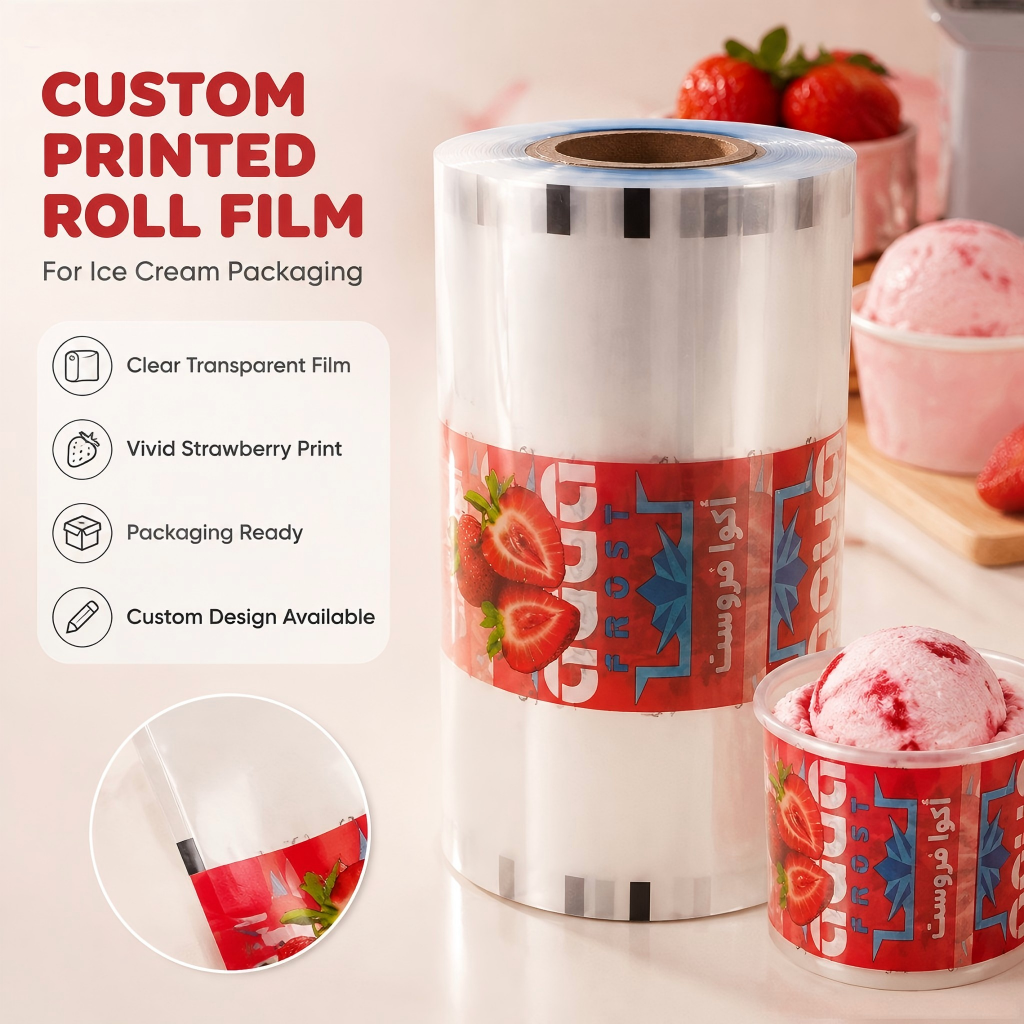
Stick packs are formed and filled at high speeds on automated packaging machinery. To ensure every sachet remains fully sealed during transit, the roll film must maintain uniform tension and consistent thermal responsiveness.
During the sealing phase, controlled heat and pressure fuse the inner polymer layers together. Polymer chains interlock across the seam, preventing micro-gaps through which microscopic powder particles could escape or moisture could enter.
Standardized Quality Assurance for Food Safety
To guarantee that flexible packaging roll films meet strict international food safety standards, materials undergo standardized testing before going into production:
ASTM F1249: Measures Water Vapor Transmission Rate (WVTR) to prevent moisture ingress.
ASTM F1929: Evaluates seal integrity to ensure no channels or leaks exist along the stick pack edges.
According to global guidelines provided by the U.S. FDA Food Contact Packaging Regulations, using certified food-grade multi-layer laminates ensures total product safety across international markets.
Partner with Yu Pack for Custom Roll Film Manufacturing
Whether you are packaging instant coffee, nutritional supplements, or specialty drink mixes, choosing the right material structure prevents product degradation and enhances brand reliability.
Need technical advice on roll film for your automated packaging lines?
Explore our Roll Film options on our product page or contact our technical team to request free material samples today!